

Complete Gym Bag Checklist 2026
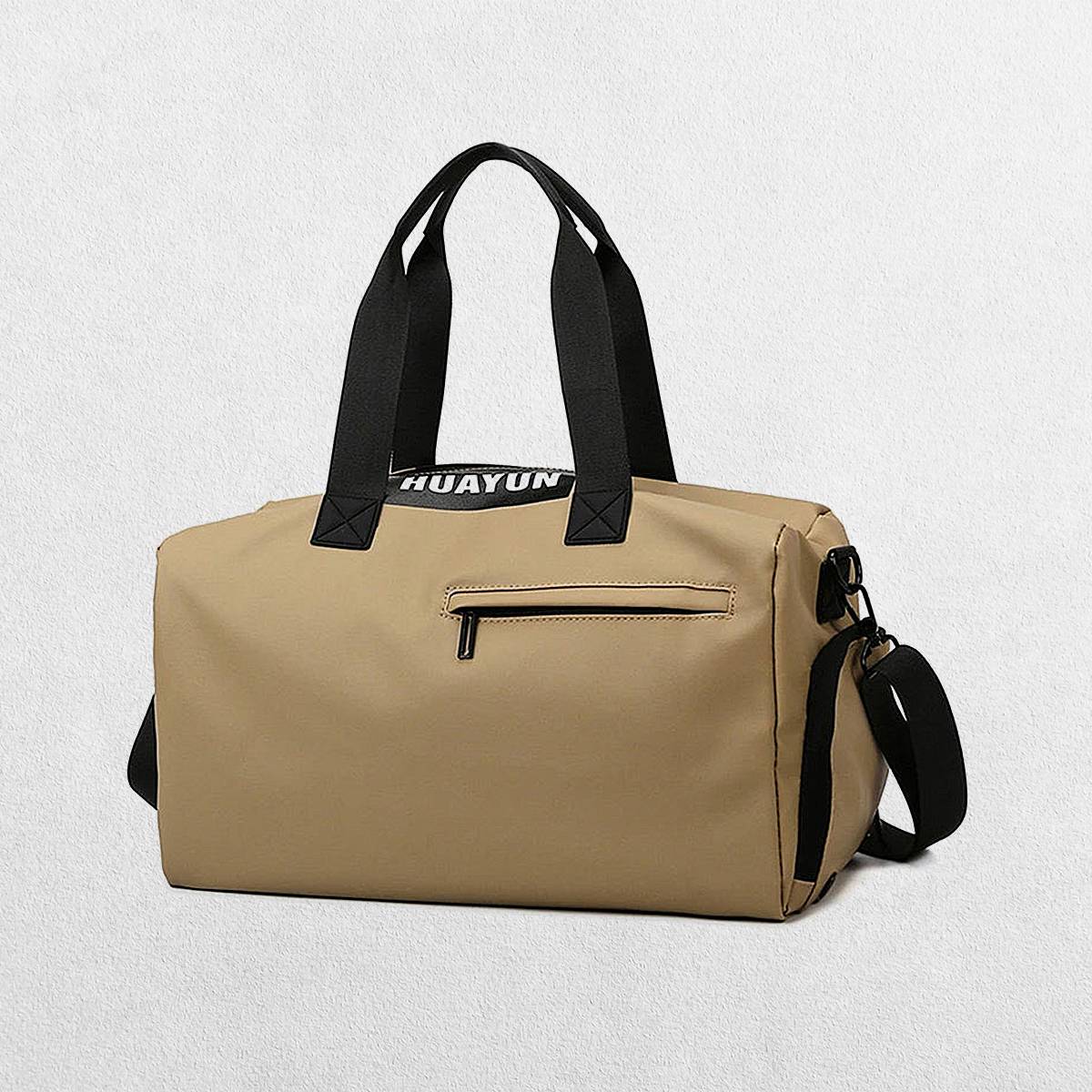
Everything you need in your gym bag. The complete packing checklist for 2026.



Sustainable gym clothes have gone from a niche category to a real option at every price point. But are they actually worth buying, or is it just greenwashing with a higher price tag?
Let's look at what "sustainable" really means in activewear and whether the performance matches the promise.
Sustainability in activewear usually means one or more of these things:
| Material | Water Usage | Energy Use | Biodegradable | Microplastics |
|---|---|---|---|---|
| Virgin polyester | Low | High | No | Yes (sheds in wash) |
| Recycled polyester (rPET) | Low | 59% less than virgin | No | Yes (still sheds) |
| Conventional cotton | Very high (10,000L per kg) | Moderate | Yes | No |
| Organic cotton | High (less than conventional) | Lower | Yes | No |
| Bamboo | Low | Moderate | Yes | No |

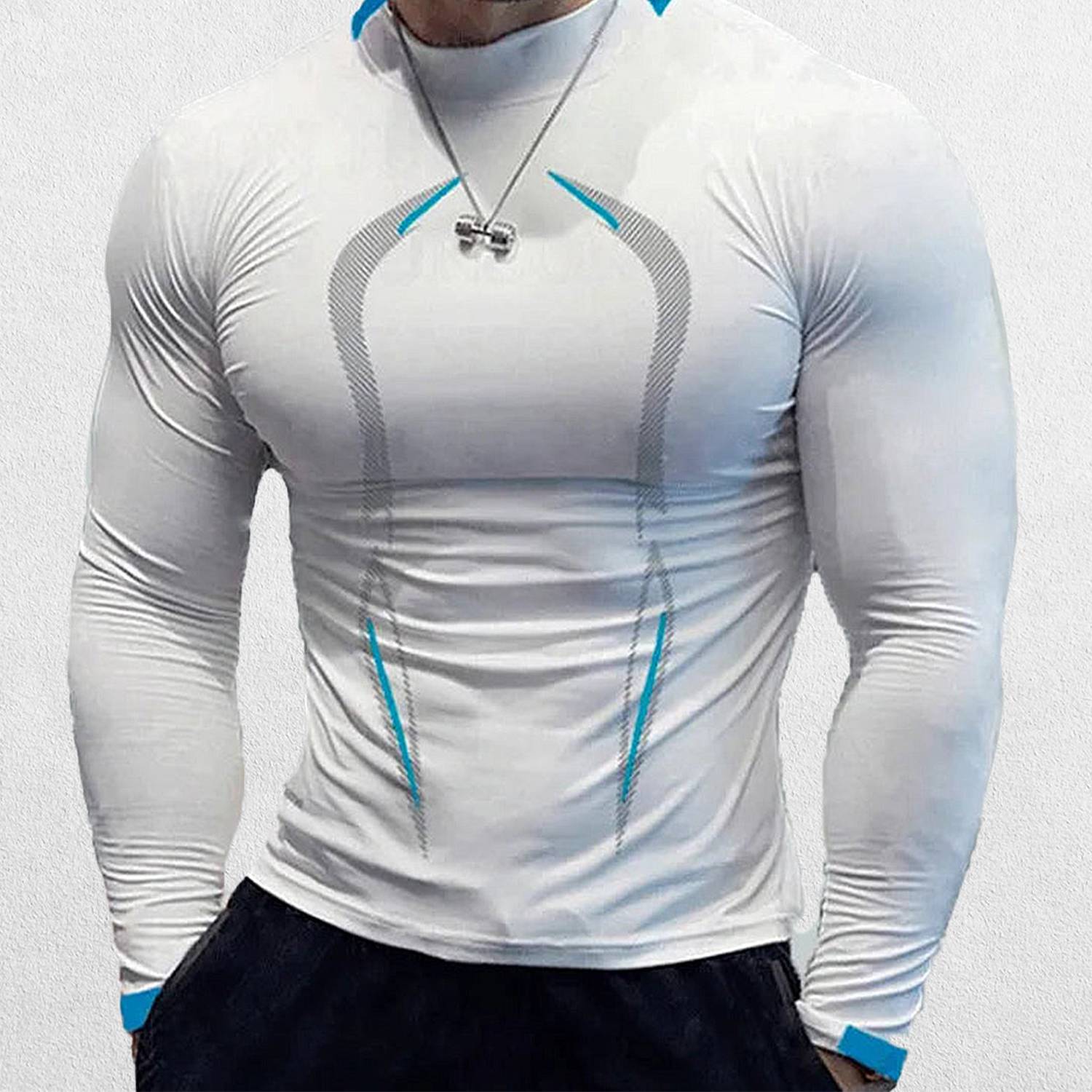
Recycled polyester: Performs identically to virgin polyester. Same moisture-wicking, same stretch, same durability. There's genuinely no performance difference. If a brand offers recycled polyester gym shirts, there's no reason not to pick them.
Organic cotton: Same feel and breathability as regular cotton. Slightly softer in some cases. The difference is in farming practices, not in how the shirt performs during your workout.
Bamboo fabric: Naturally antibacterial and very soft. Good breathability. The downside is it's less durable than polyester for high-intensity training and can pill faster.
Sustainable gym clothes typically cost 15-30% more than conventional equivalents. But consider cost-per-wear. If a sustainable shirt lasts 18 months of heavy training while a cheaper one lasts 6, the sustainable option is actually cheaper in the long run.
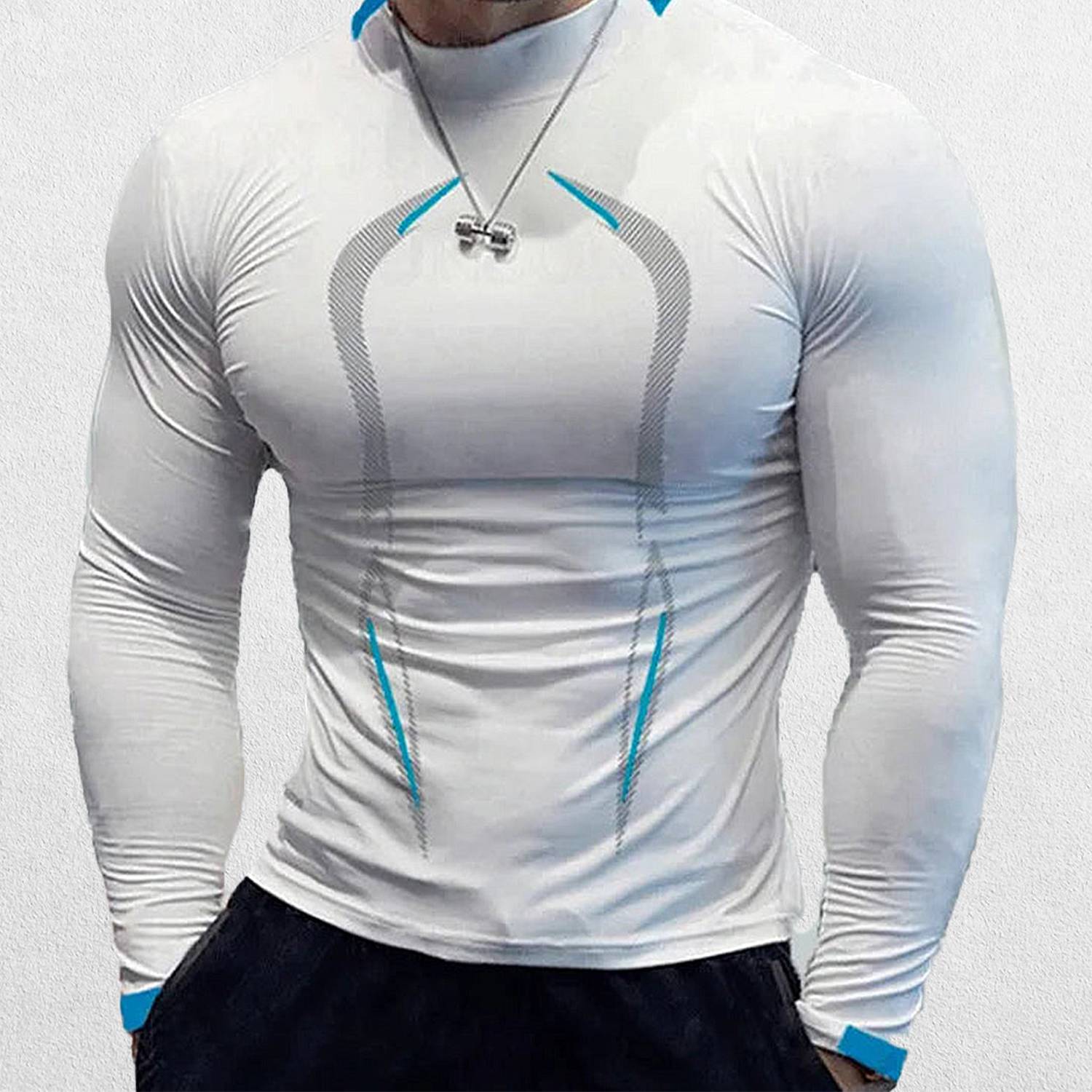
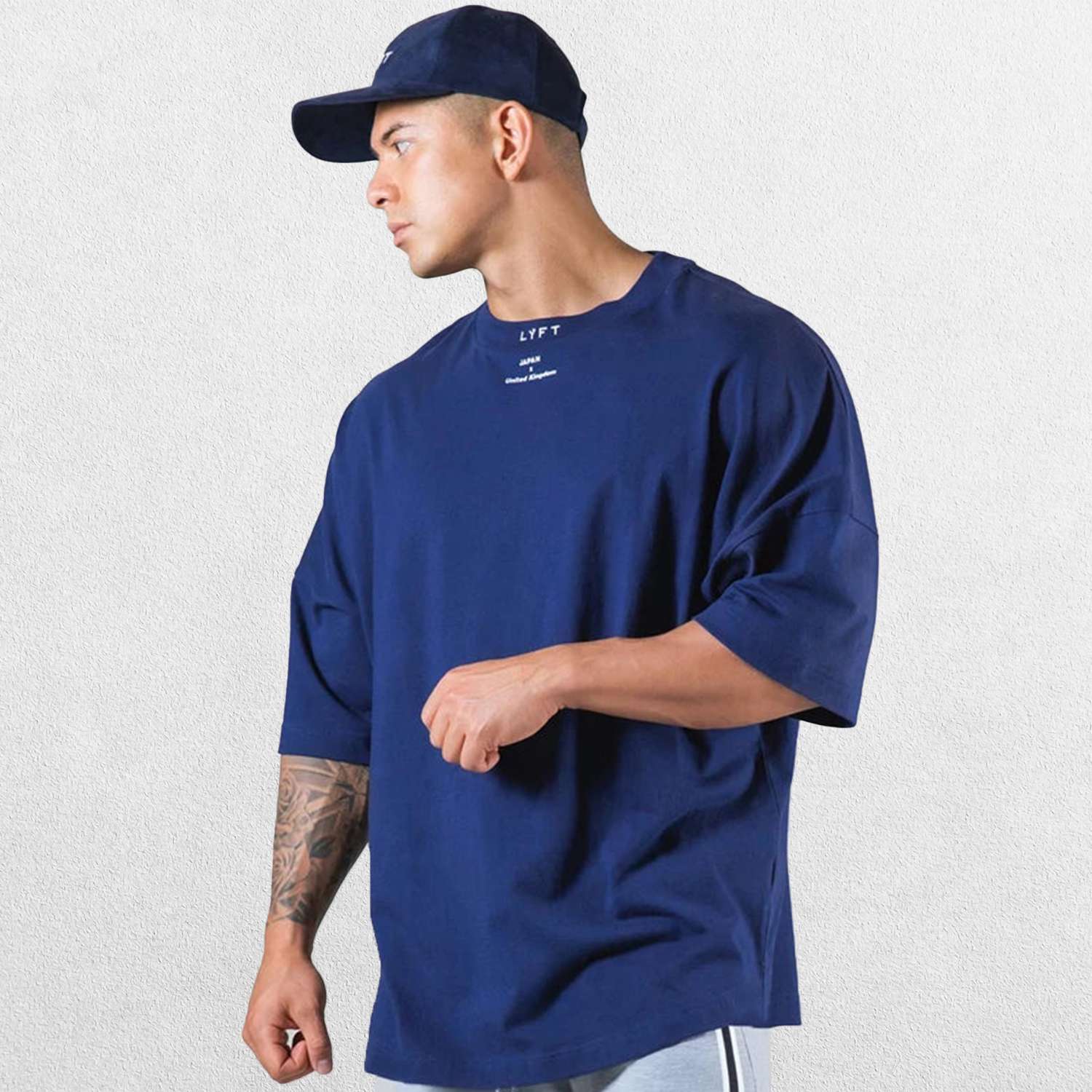
Our gym shirts are built for durability, so you're buying less and replacing less often regardless of the fabric source.
If a brand claims "sustainable" but has no third-party certification, be skeptical.
Sustainable gym clothes are worth it when:
They're not worth it when:
Browse our full collection for training gear built to last.