


What to Wear to the Gym: Beginner Guide
A beginner-friendly guide to gym clothes. What to wear for lifting, cardio, yoga, and HIIT workouts.



Every gym goer eventually asks the same question: should I train in cotton or synthetic? The answer depends on what you're doing, how much you sweat, and what feels comfortable to you. Both have real strengths and real weaknesses.
Here's a straight comparison so you can pick the right fabric for your workouts.
Synthetic fabrics (polyester, nylon, spandex blends) are better for high-intensity and high-sweat workouts. Cotton and cotton blends are better for casual lifting, warm-ups, and low-intensity training where comfort matters more than performance.
| Feature | Cotton | Synthetic |
|---|---|---|
| Moisture wicking | Poor. Absorbs and holds sweat. | Excellent. Pulls sweat away and dries fast. |
| Breathability | Good when dry, poor when wet | Consistent airflow in all conditions |
| Comfort | Soft, natural feel on skin | Smooth, can feel slippery to some |
| Odor | Less odor buildup naturally | Can trap bacteria and smell faster |
| Durability | Wears out faster with heavy washing | Holds shape longer, resists pilling |
| Stretch | Minimal unless blended with elastane | Excellent four-way stretch |
| Weight when wet | Gets heavy and clingy | Stays light |
| Price | Generally cheaper | Varies. Performance fabrics cost more. |
| Eco impact | Biodegradable but water-intensive to produce | Not biodegradable, but recycled options exist |

Casual weight training. If you're doing a moderate lifting session and don't sweat buckets, a cotton tee feels great. It's soft against skin, doesn't feel synthetic, and breathes well enough for shorter sessions.
Warm-ups and stretching. Low-intensity work doesn't produce enough sweat to make cotton a problem. The natural feel can actually be more comfortable for mobility work.
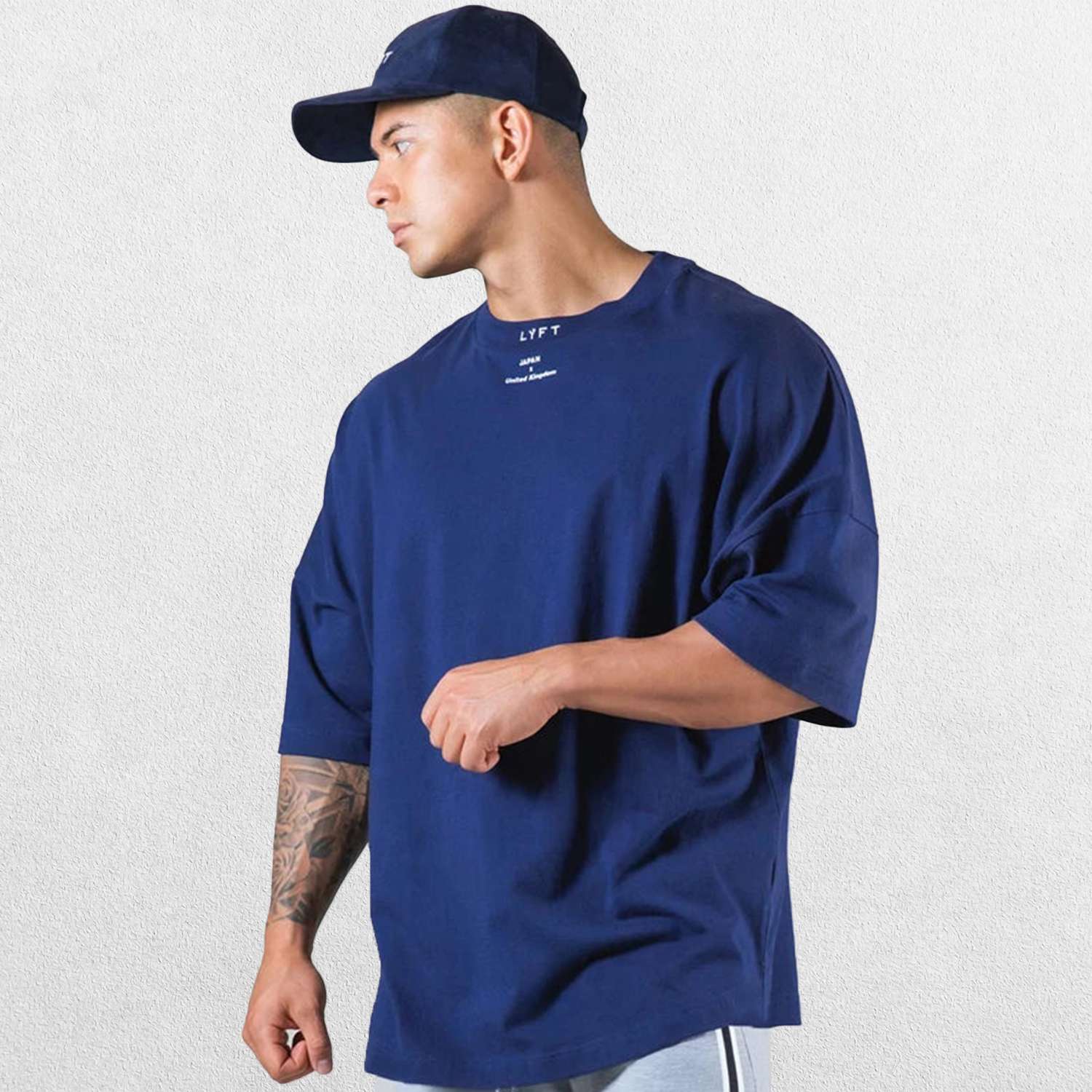
Oversized streetwear style. Let's be honest. A lot of guys prefer the look and feel of a heavyweight cotton tee in the gym. If that motivates you to train, wear it. Check out our oversized cotton tees for that relaxed fit.

Running and cardio. This isn't even close. Synthetic wins by a mile. After 15 minutes of running in cotton, you'll feel like you're wearing a wet towel. Moisture-wicking polyester keeps you dry and light.
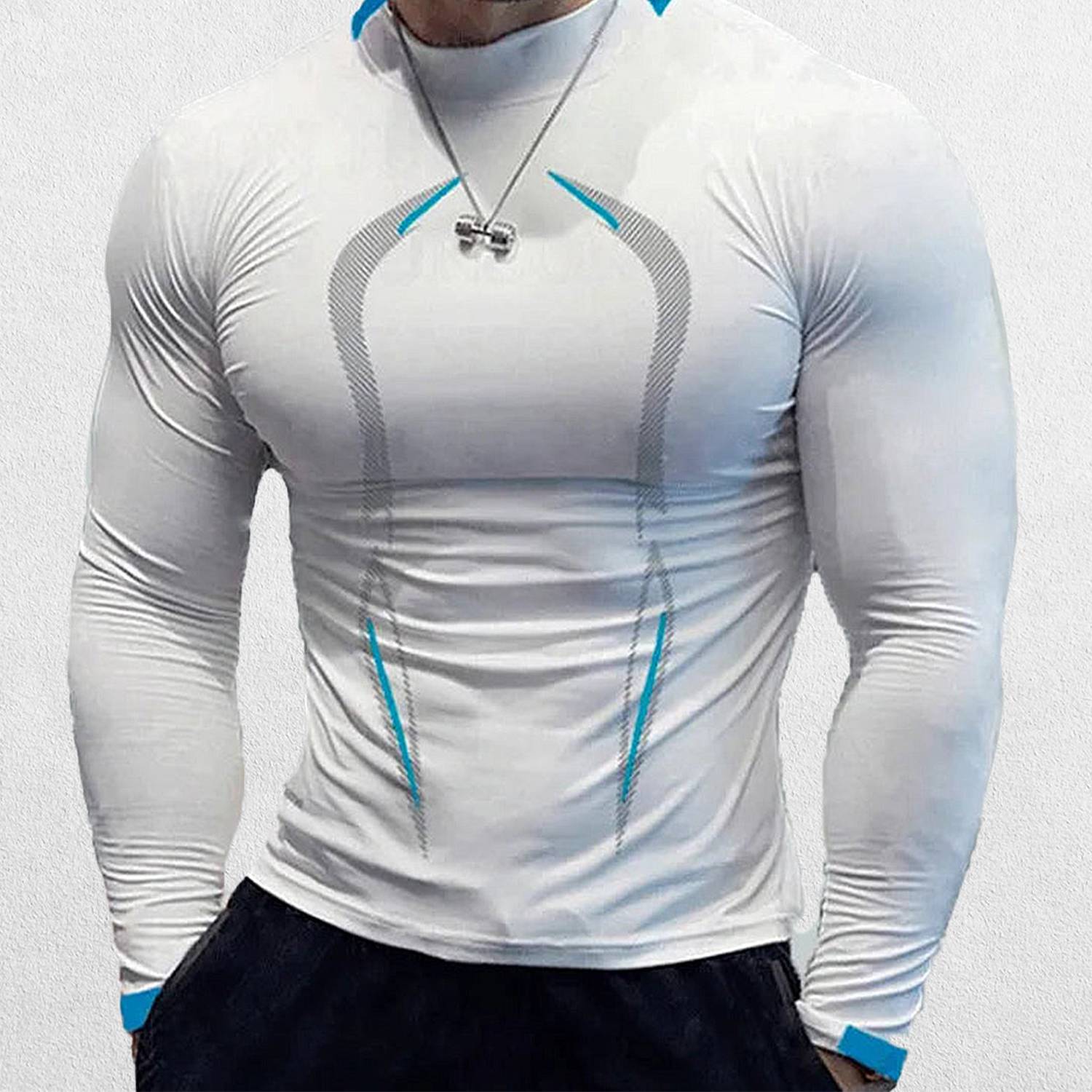
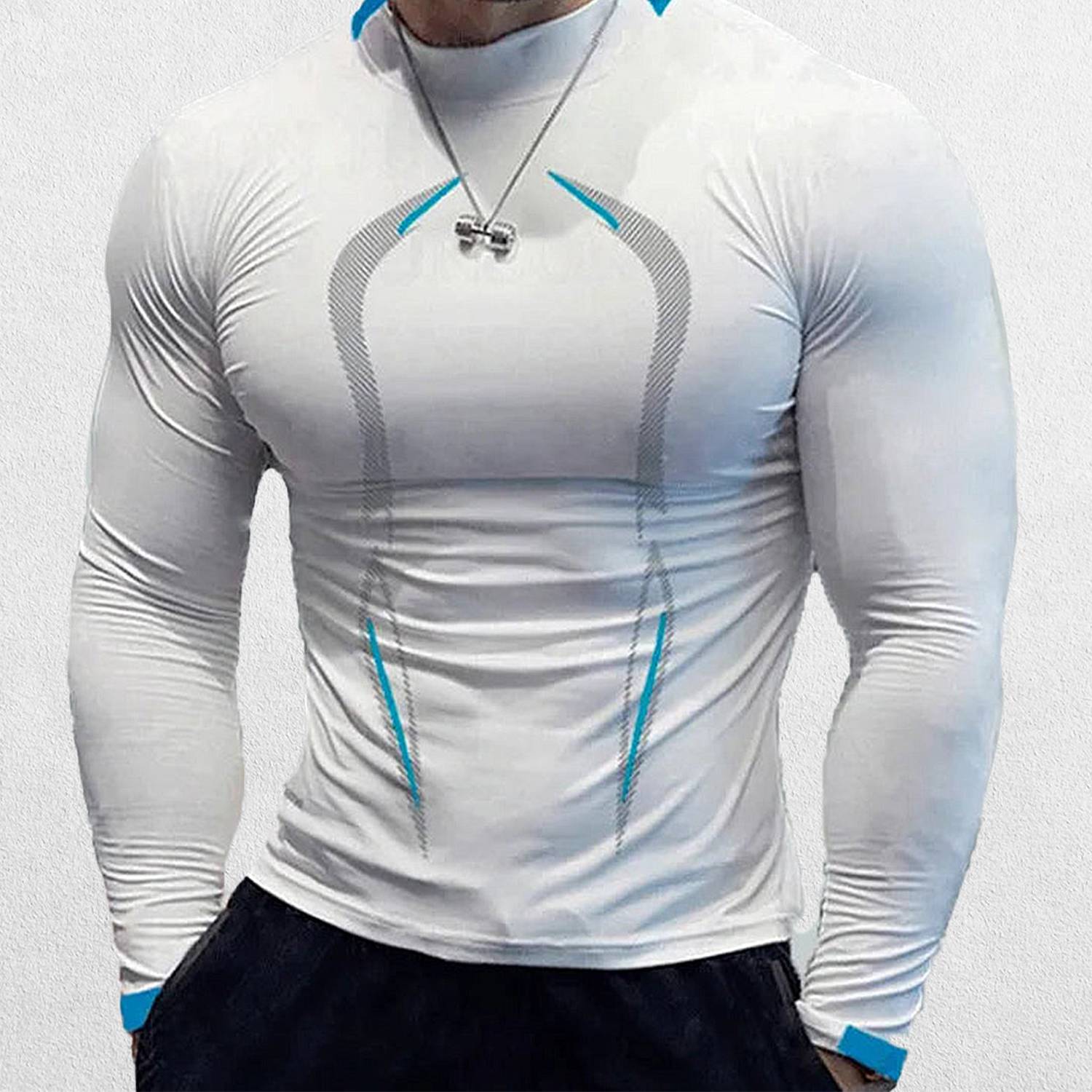
HIIT and circuit training. When you're alternating between burpees, sprints, and kettlebell swings, you need fabric that handles constant sweat output. Our performance gym shirts are built for exactly this.
Hot weather. Summer training in cotton is miserable. Synthetic fabrics with mesh panels will keep you significantly cooler.
Compression wear. Compression shirts and leggings are always synthetic blends (nylon/spandex). Cotton can't provide the muscle support and recovery benefits you get from proper compression gear.
Most modern gym tees use cotton-polyester blends (60/40 or 70/30). You get the soft feel of cotton with some of the moisture management of synthetic. It's a solid middle ground for general training.
For cotton: Wash in cold water, avoid the dryer when possible (heat shrinks cotton and weakens fibres), and don't leave sweaty clothes balled up in your gym bag overnight.
For synthetic: Skip the fabric softener (it clogs the moisture-wicking pores in the fabric), wash inside out, and use cold water. If they start to smell despite washing, soak in a vinegar and water solution for 30 minutes before your next wash.
There's no single right answer. Build your gym wardrobe with both. Grab some performance synthetic shirts for your intense sessions, keep a few cotton tanks and oversized tees for lifting days, and use cotton-blend hoodies for warm-ups and cool-downs.
Browse our full collection for options in both fabrics.