


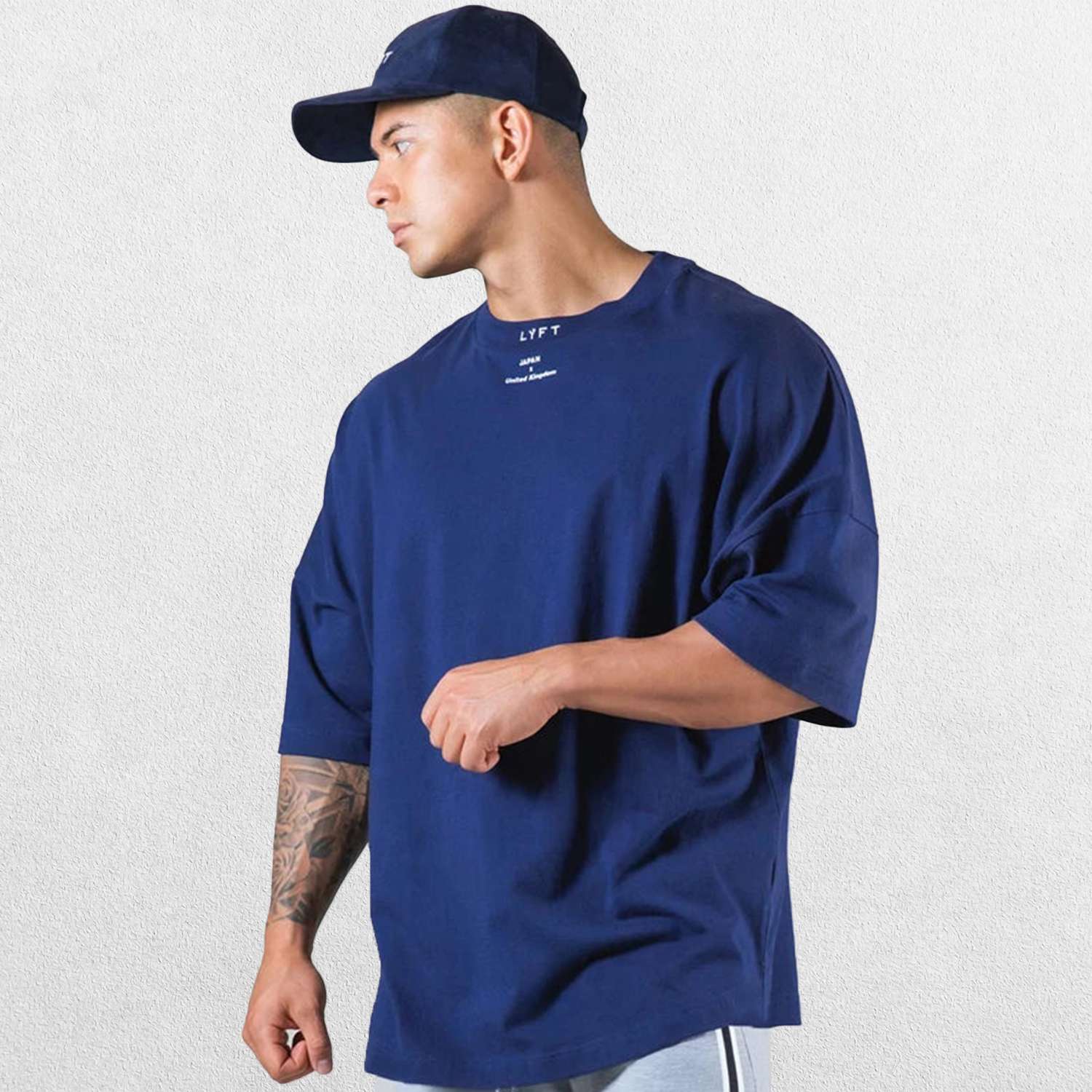
Cotton vs Synthetic Gym Clothes
Cotton or synthetic for the gym? A side-by-side comparison of fabrics for comfort, performance, and durability.



Outdoor workouts are booming. Bootcamps in the park, trail runs, rucking with a weighted pack, calisthenics at the pull-up bar. But training outside adds variables that the gym doesn't have: wind, rain, sun, uneven ground, and temperature swings.
Your indoor gym clothes won't always cut it. Here's what to wear for every type of outdoor training.

Bootcamps throw everything at you: sprints, bear crawls, burpees, lunges across wet grass. You need clothes that handle mud, sweat, and constant movement without falling apart.
Road running and trail running have different gear needs. Road running prioritises lightweight, reflective gear. Trail running needs tougher materials and better traction.
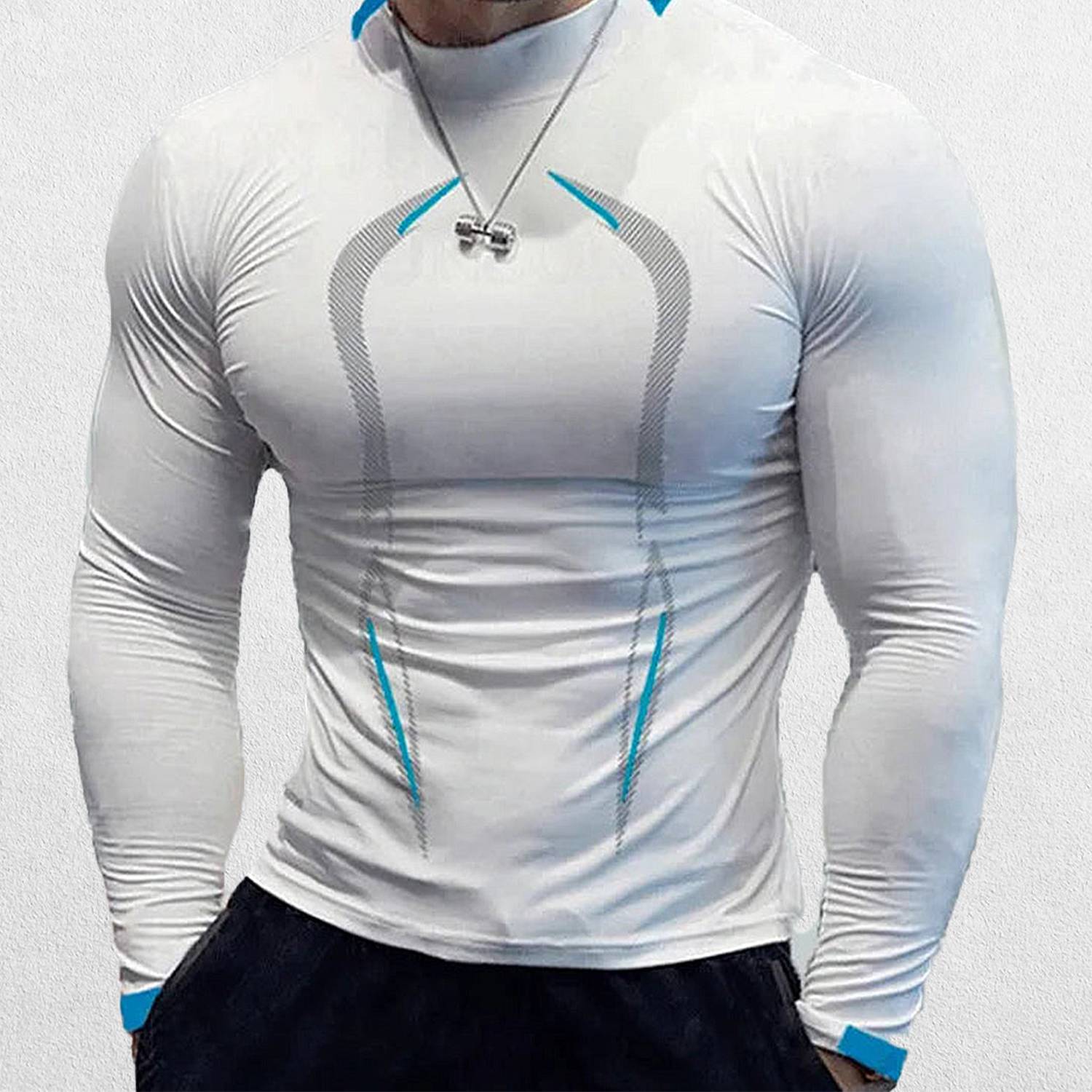
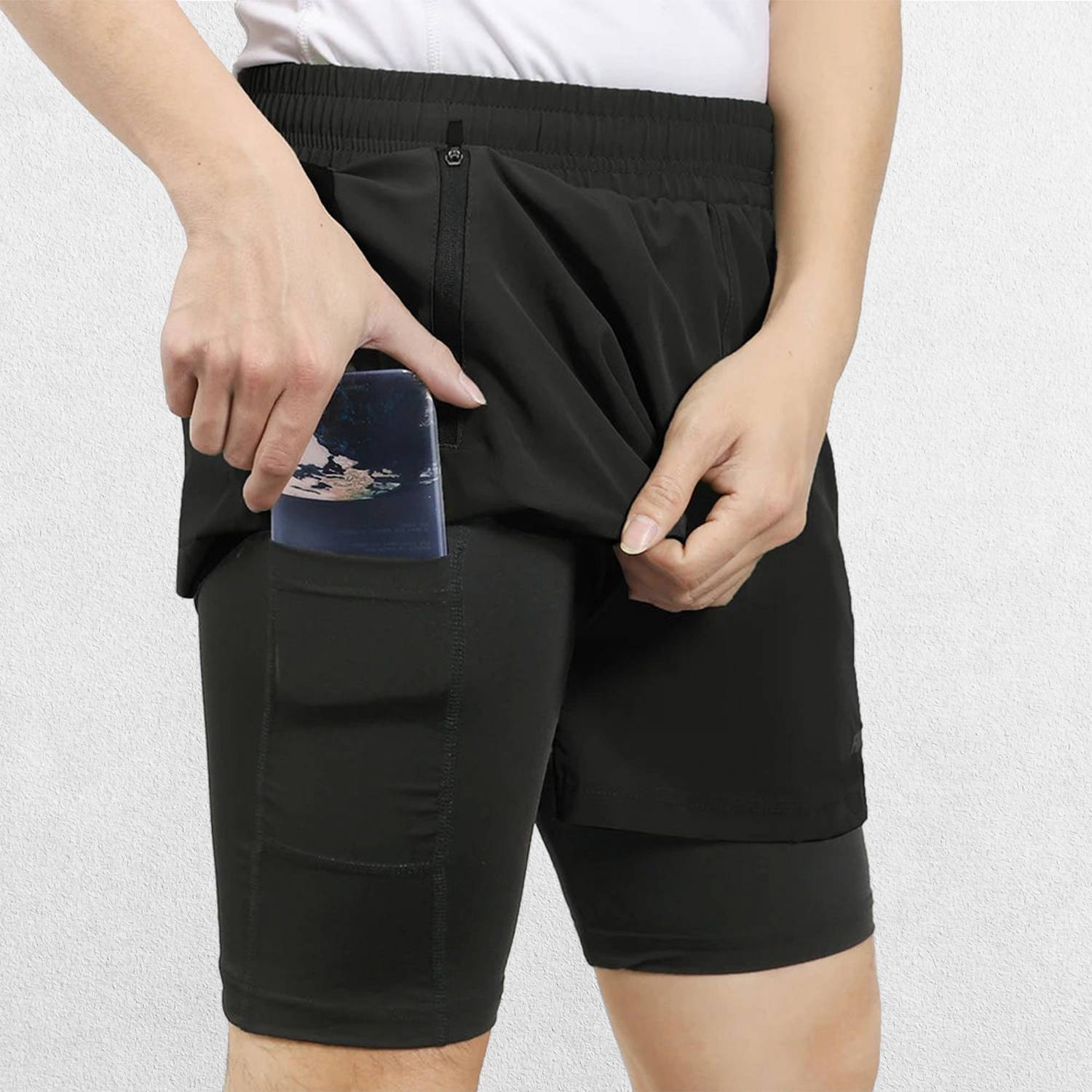
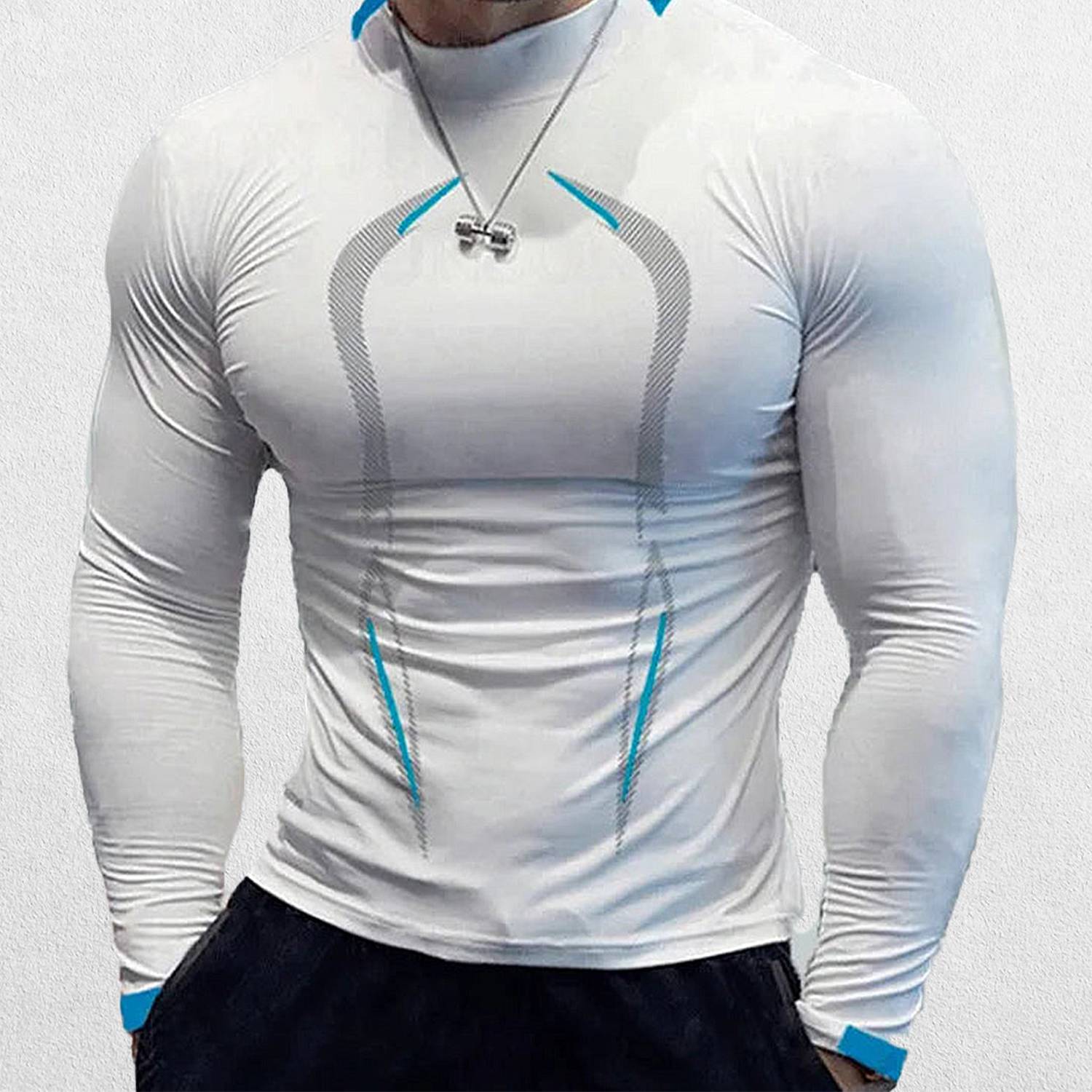
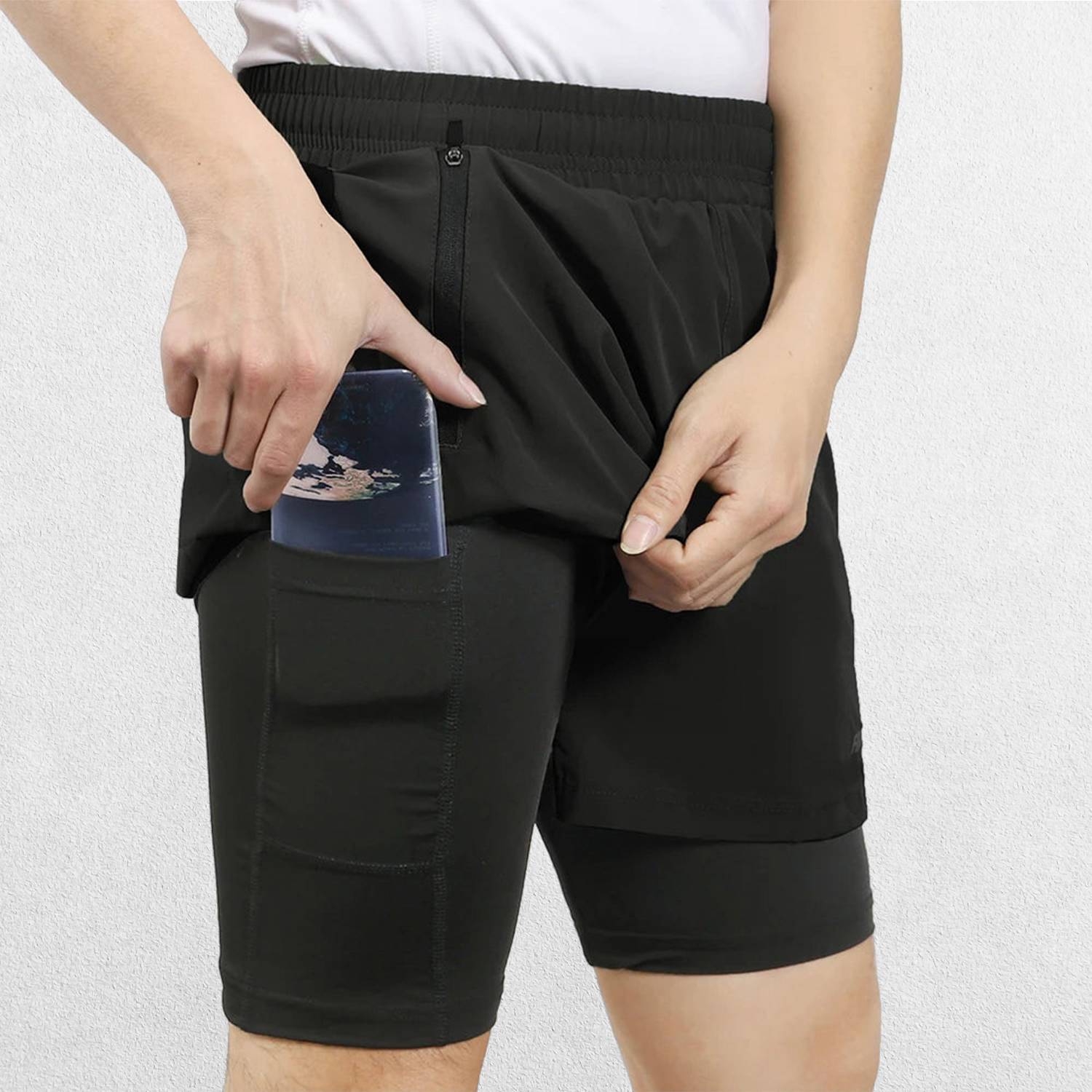
For both, moisture-wicking everything is non-negotiable. Your shorts should have a brief liner so nothing chafes during longer runs. A lightweight long-sleeve top handles cool mornings that warm up mid-run.
Rucking (walking with a weighted pack) is one of the fastest-growing fitness trends right now. The main clothing challenge is managing heat and chafing from the backpack straps.

Pull-ups, dips, muscle-ups, and bodyweight movements on outdoor bars. You want clothes that let you see your form and don't snag on equipment. Tank tops are ideal for upper body freedom. Slim-fit shorts stay out of the way during leg raises and L-sits.
Outdoor training means unpredictable weather. Use layers you can strip off and tie around your waist.
| Layer | Purpose | What to Wear |
|---|---|---|
| Base layer | Sweat management | Moisture-wicking tee or compression top |
| Mid layer | Warmth | Long-sleeve training top or light fleece |
| Outer layer | Wind/rain protection | Lightweight hoodie or wind jacket |
Start warm. You'll heat up fast once you get moving. It's easier to take a layer off than to wish you'd brought one.
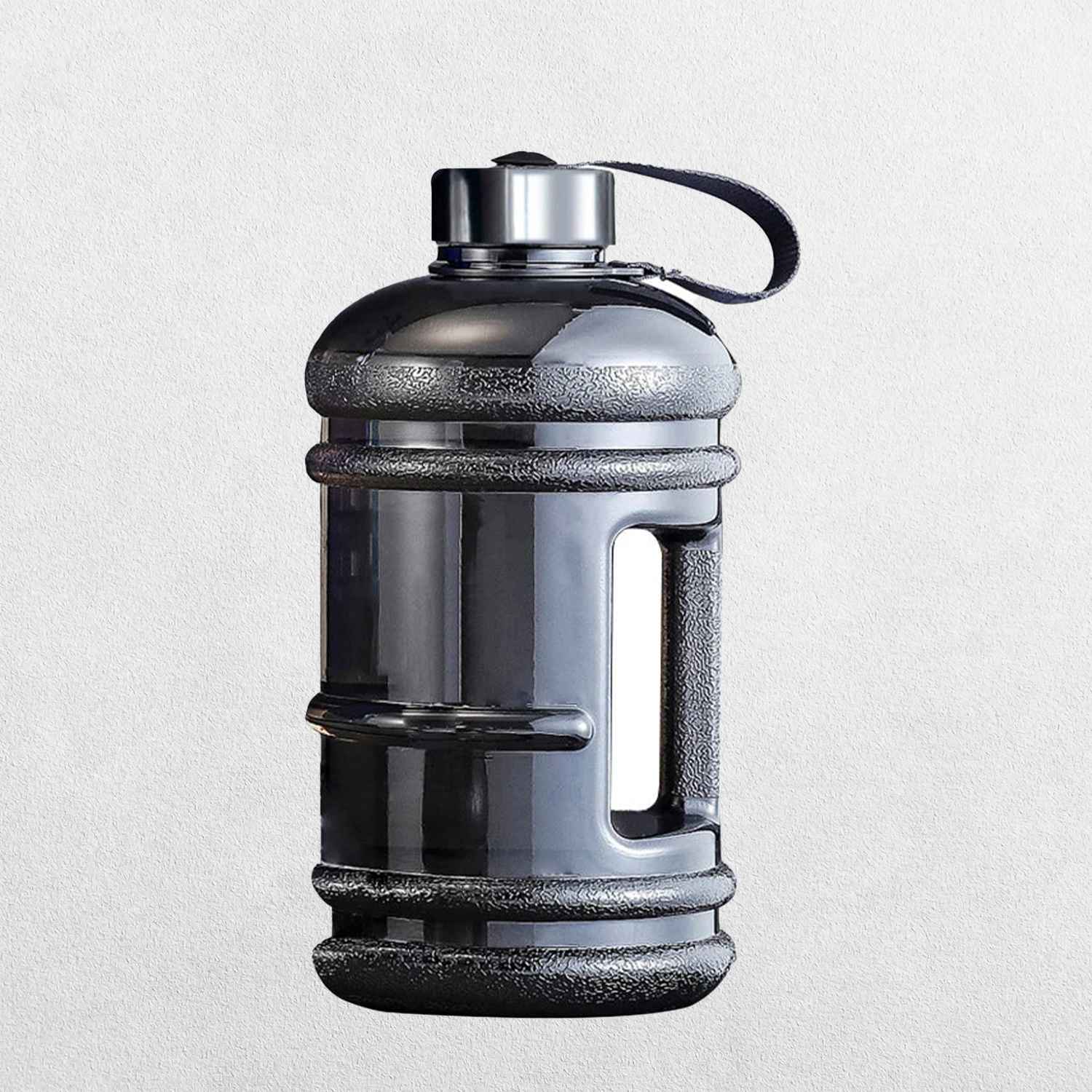
Hot and sunny: Light colours reflect heat. Wear a tank top, apply sunscreen, and bring a water bottle everywhere.
Cold: Layer up. Base layer close to skin, mid layer for warmth, outer layer for wind. Joggers over shorts.
Rain: Synthetic fabrics only. Cotton becomes useless when wet. A water-resistant outer layer is worth having in your gym bag.
Shop our full outdoor training range to get geared up for your next session outside.