

5 Signs Your Gym Clothes Need Replacing
5 clear signs your gym clothes are past their prime and how to make them last longer.



You wash your gym clothes after every session. You use good detergent. And they still smell. Sound familiar? You're not doing anything wrong. The problem is the fabric itself.
Here's why gym clothes develop that stubborn funk and which fabrics actually resist odour.
Sweat itself doesn't smell. The odour comes from bacteria feeding on sweat and dead skin cells trapped in fabric fibres. Synthetic materials like polyester have microscopic pores that harbour bacteria even after washing. Cotton absorbs sweat differently and naturally resists bacterial growth better, but it holds moisture and takes forever to dry.
The result: your polyester gym shirt smells fresh out of the wash but stinks again within minutes of putting it on.
| Fabric | Odour Resistance | Moisture Wicking | Best For |
|---|---|---|---|
| Merino wool | Excellent | Good | Multi-day wear, travel |
| Bamboo | Very good | Good | Casual training, recovery |
| Silver-infused polyester | Very good | Excellent | High-intensity training |
| Cotton | Good | Poor | Light lifting, warm-ups |
| Standard polyester | Poor | Excellent | Performance (with odour trade-off) |
| Nylon | Moderate | Good | Compression wear |

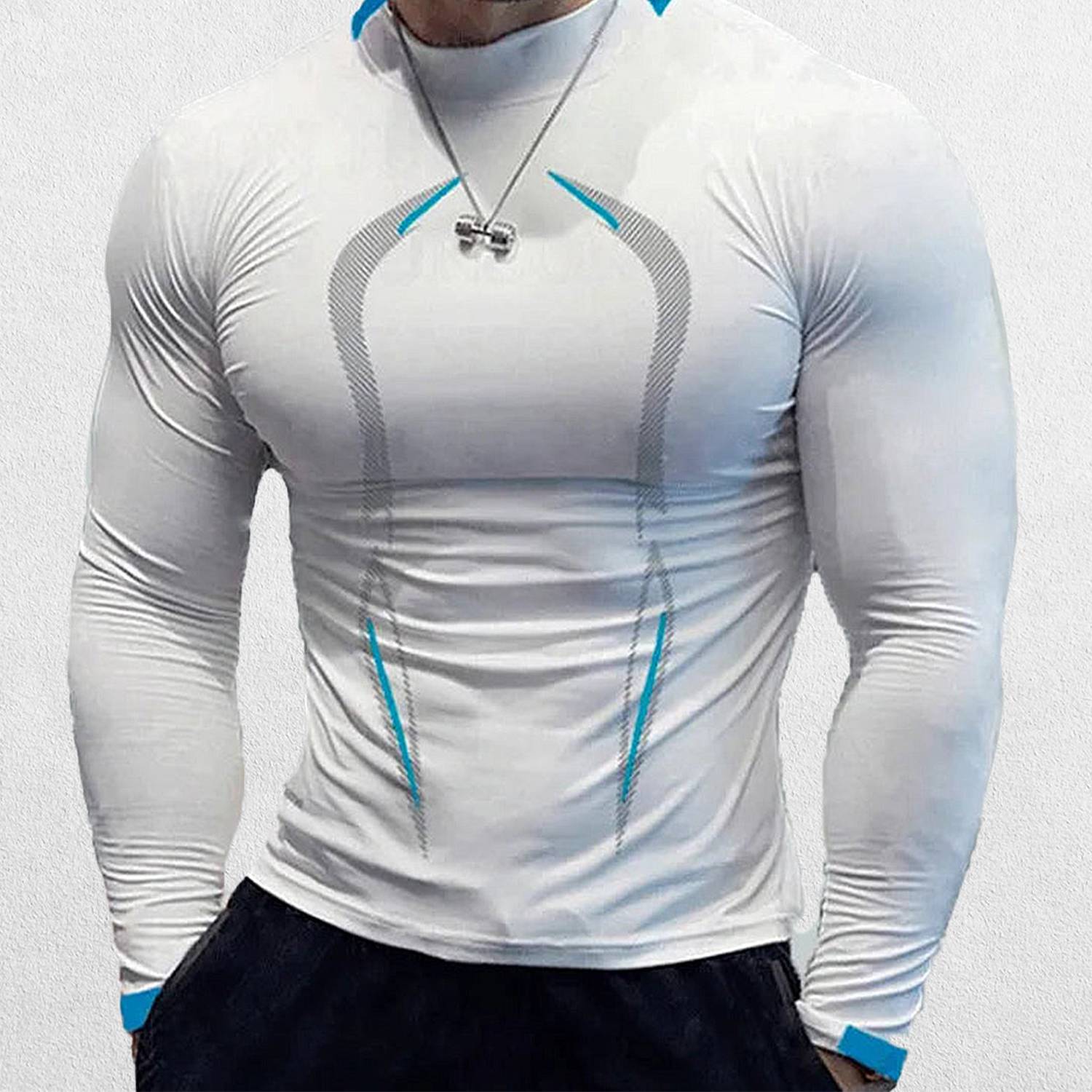
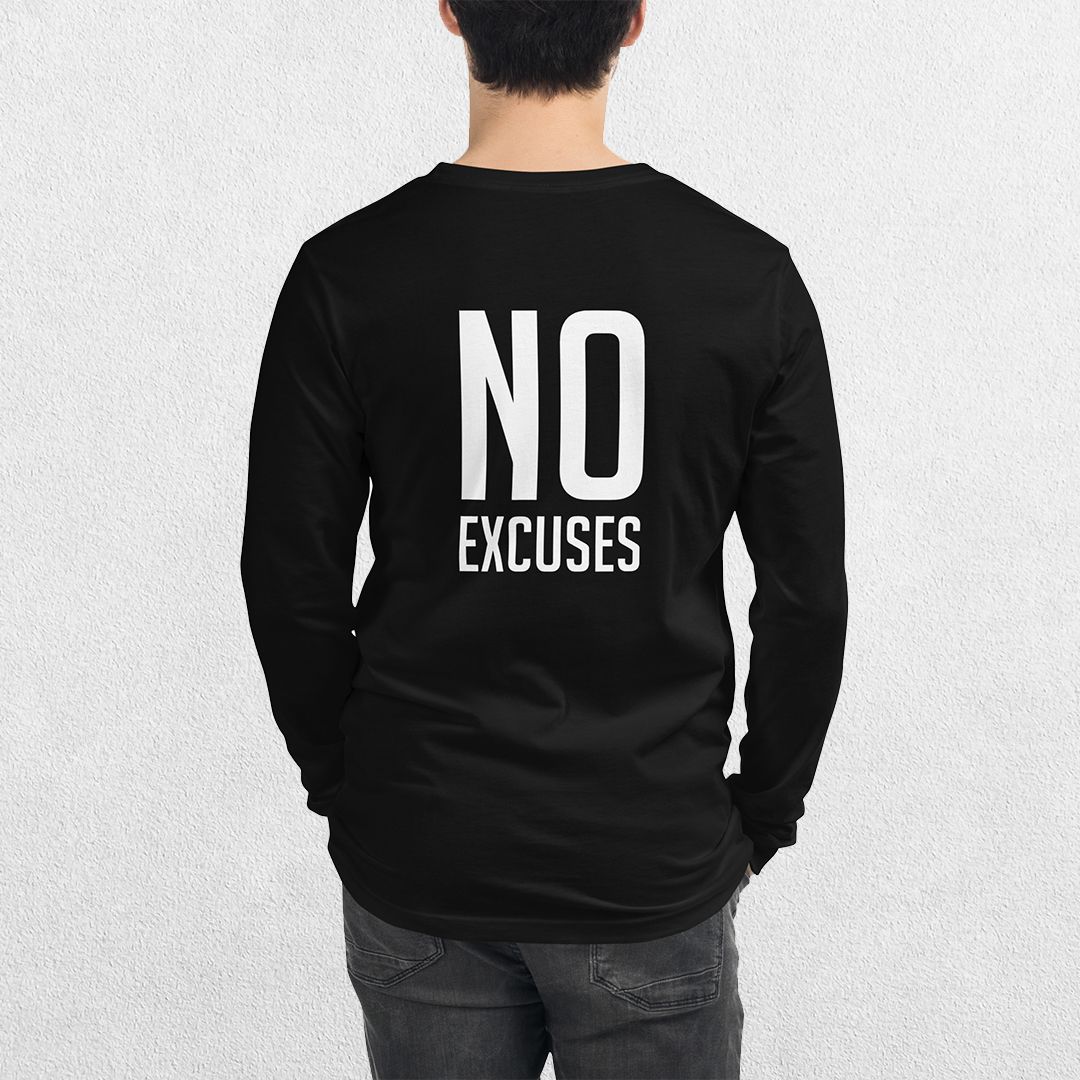
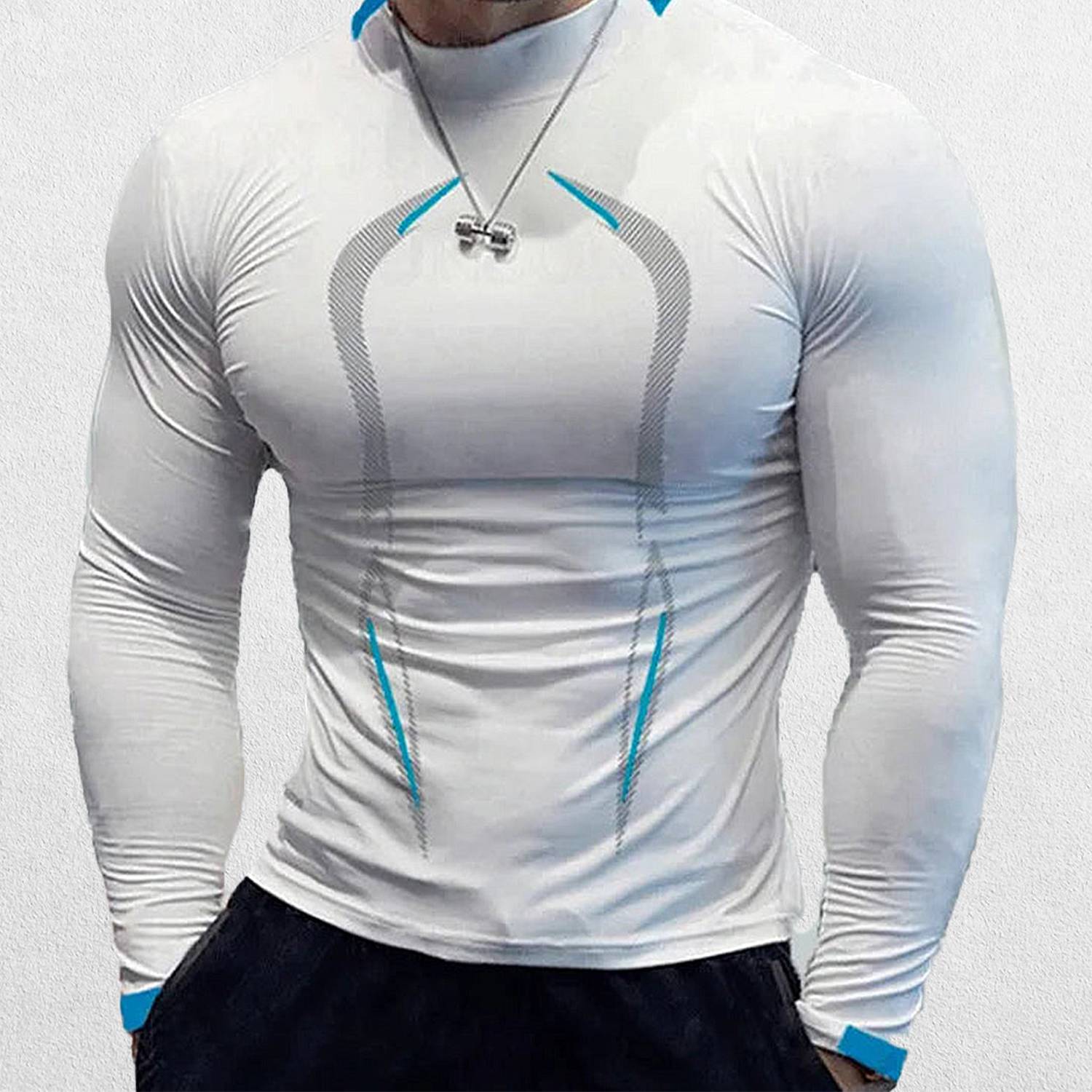
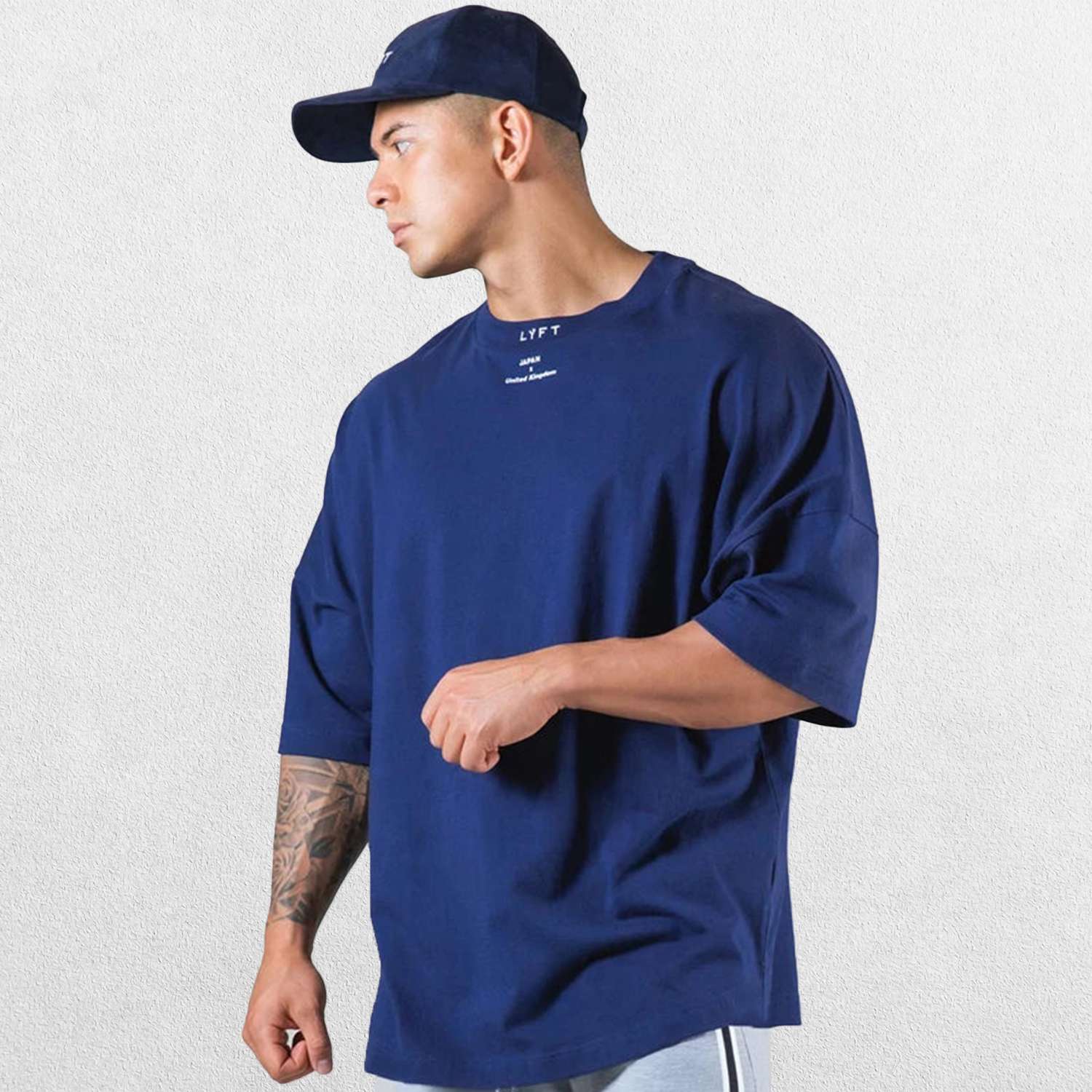
Anti-microbial treatments: Many performance shirts have silver ion or zinc-based treatments woven into the fabric. These kill odour-causing bacteria on contact. Our gym shirt collection includes options with built-in odour management.
Fabric blends: Cotton-polyester blends give you the wicking of synthetic with some of cotton's natural odour resistance. A 60/40 blend is a solid compromise.
Loose weaves: Tighter weaves trap more bacteria. Open-mesh panels in tank tops and training tees allow better airflow and less bacterial buildup.
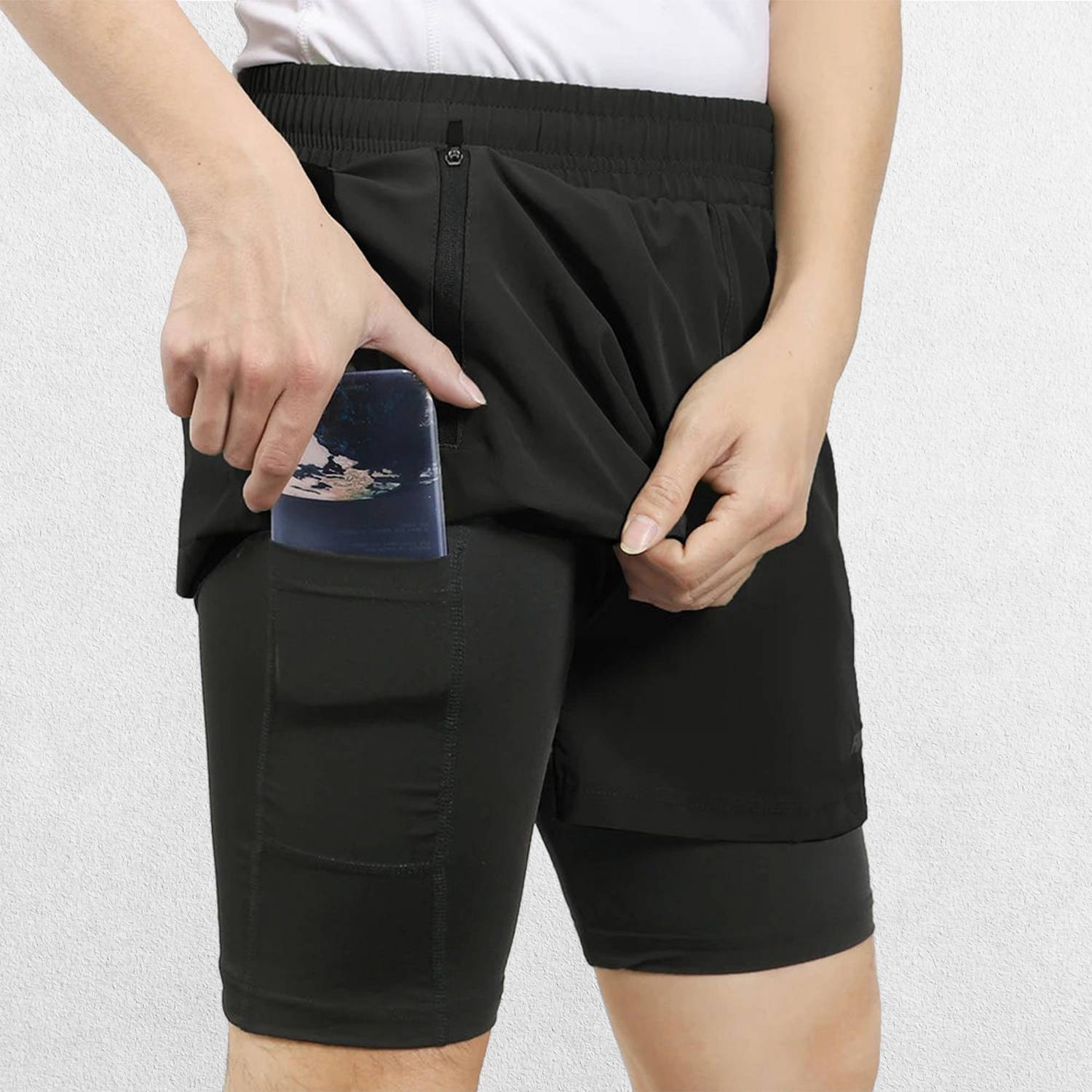
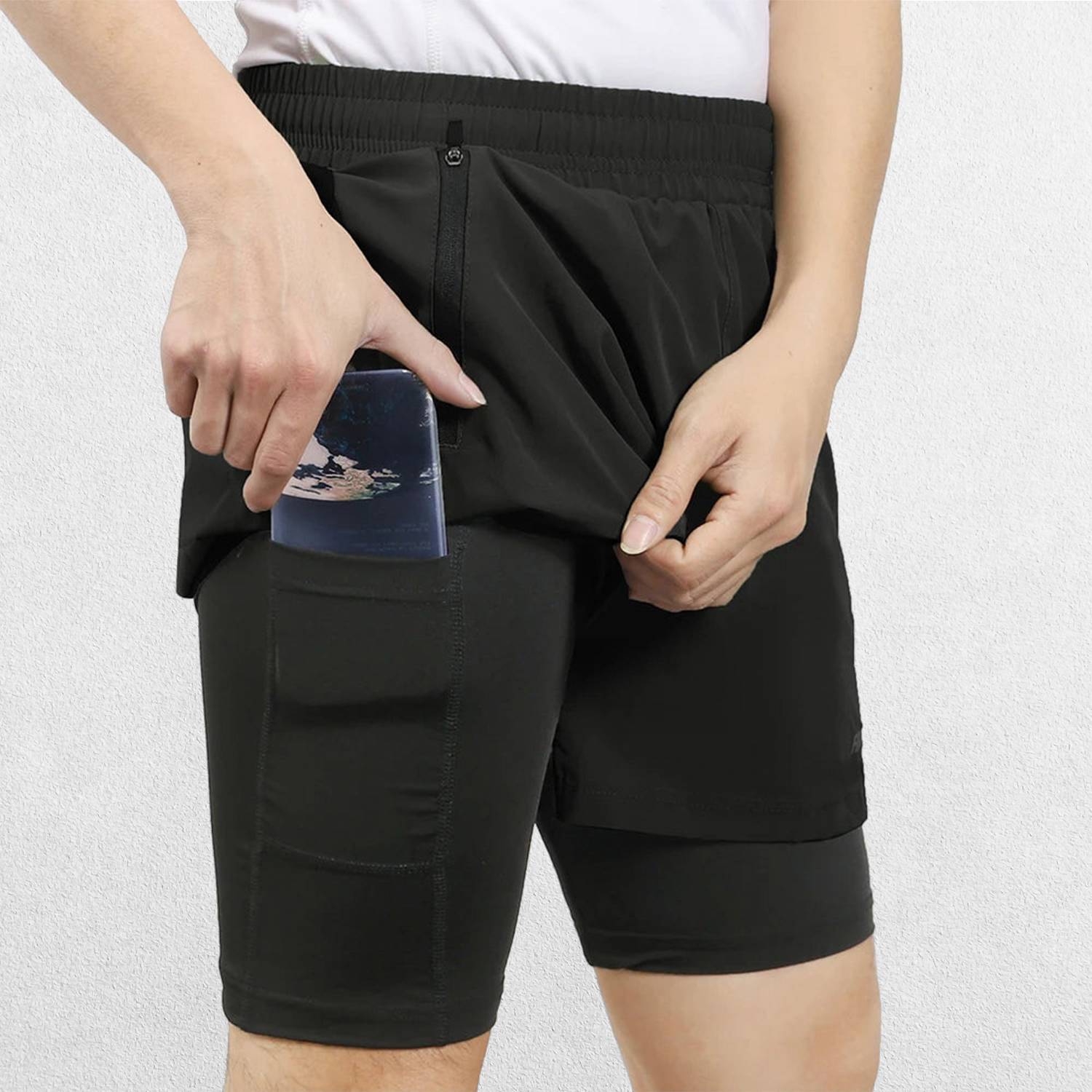
Own at least 3-4 training shirts and rotate them. This gives each shirt time to fully air out between sessions. Pair them with shorts or compression gear that uses anti-microbial fabric, and you'll notice a real difference in how long your gear stays fresh.
Browse our full collection for performance gear built to handle heavy training.