

Gym Clothes That Don't Smell: Guide
Why gym clothes smell and which fabrics fight odor. A practical guide to fresher workout gear.



Compression gear used to be niche. Now it's everywhere in the gym, from pro athletes to first-time lifters. But does it actually make a difference, or is it just marketing?
Short answer: for lifting specifically, the science backs it up. Here's what works, what doesn't, and what to look for.

Reduced muscle vibration. When you're doing heavy deadlifts or squats, your muscles vibrate on impact. Compression fabric reduces that vibration, which can decrease micro-damage and the delayed soreness (DOMS) that follows.
Better proprioception. The snug fit gives your brain more feedback about where your limbs are in space. This can improve your form, especially during complex movements like Olympic lifts and heavy compound exercises.
Improved blood flow. Graduated compression pushes blood back toward your heart more efficiently. During long training sessions, this can reduce fatigue and help you maintain performance in later sets.
Joint warmth. Compression keeps your joints warm between sets. Warm joints and connective tissue are more flexible and less injury-prone.
| Lift/Exercise | Best Compression Gear | Why |
|---|---|---|
| Squats | Compression leggings + knee sleeves | Quad support, knee warmth, form feedback |
| Deadlifts | Compression leggings + long socks | Shin protection, hamstring support |
| Bench press | Compression shirt | Upper body stability, shoulder support |
| Overhead press | Compression shirt or tank | Shoulder stability, reduced vibration |
| Rows and pulls | Compression shirt | Back support, grip on bench |
Right compression level. You want firm but not cutting off circulation. If your hands go numb or your skin has deep marks after training, size up.
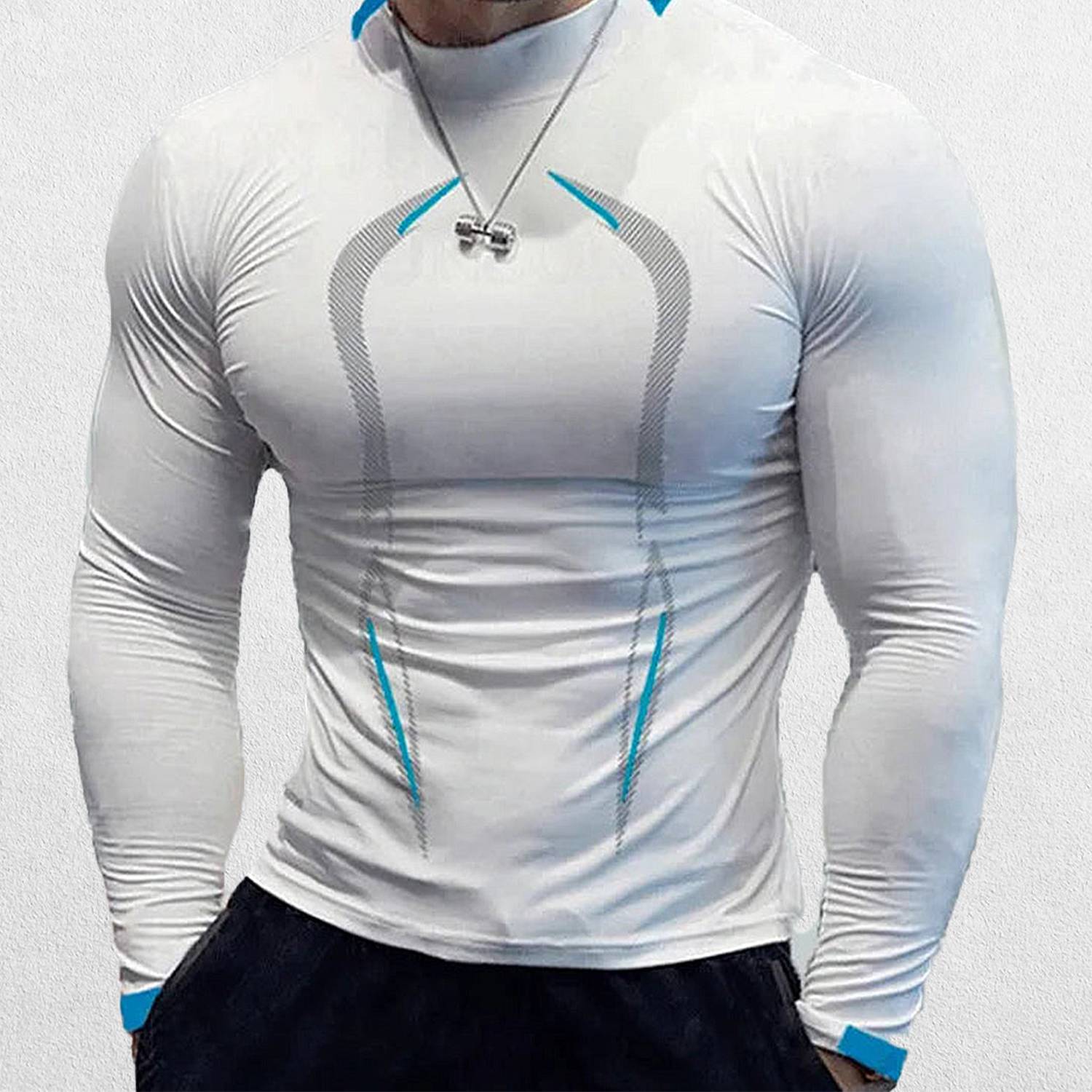
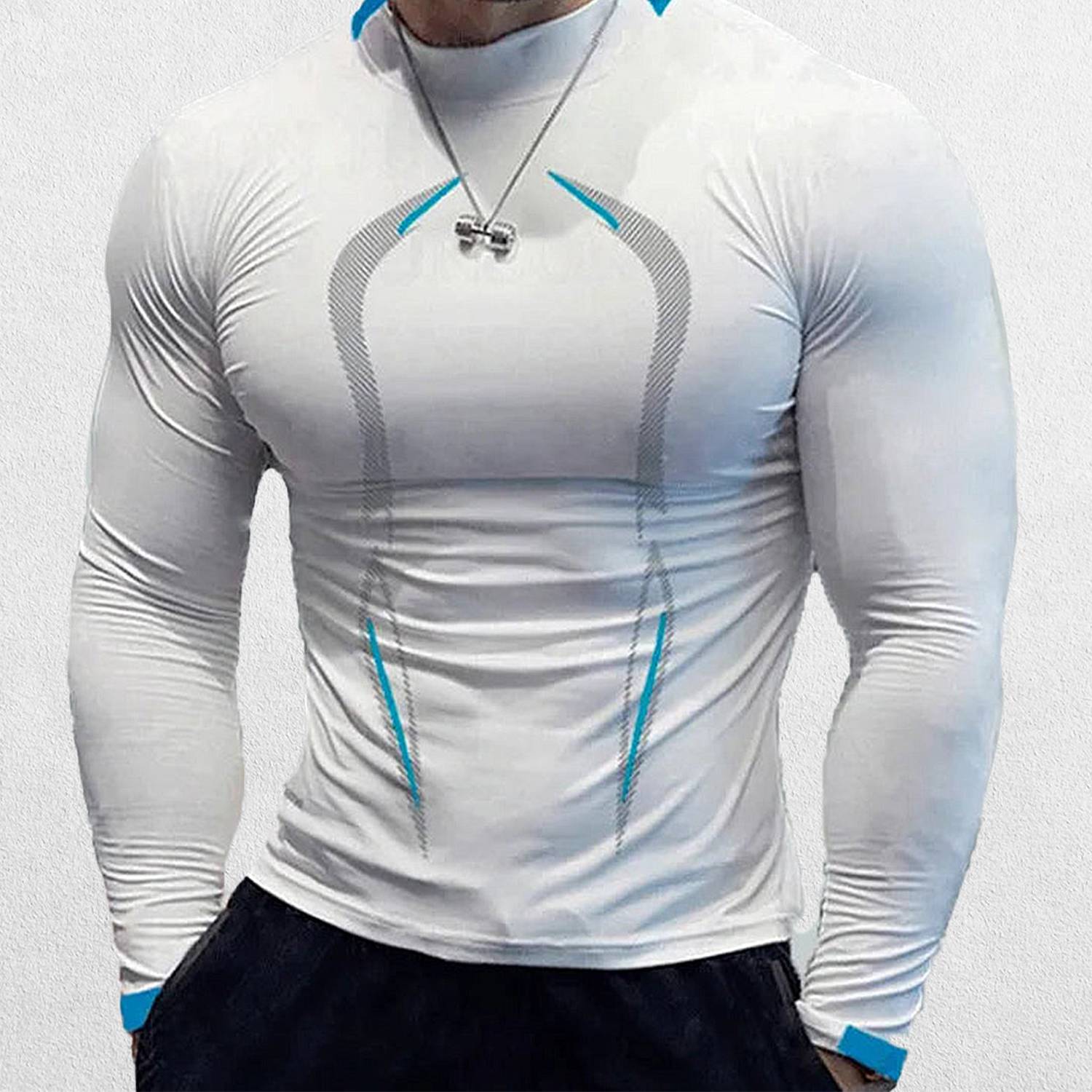
Four-way stretch. The fabric should stretch in all directions so you can hit full depth on squats and full extension on pulls without restriction. Our compression t-shirts use nylon-spandex blends for exactly this.
Flatlock seams. Regular seams under compression will dig into your skin during heavy sets. Flatlock stitching sits flush against the body.
Moisture management. You're going to sweat heavily in compression gear because it's close to your body. Make sure the fabric wicks effectively.
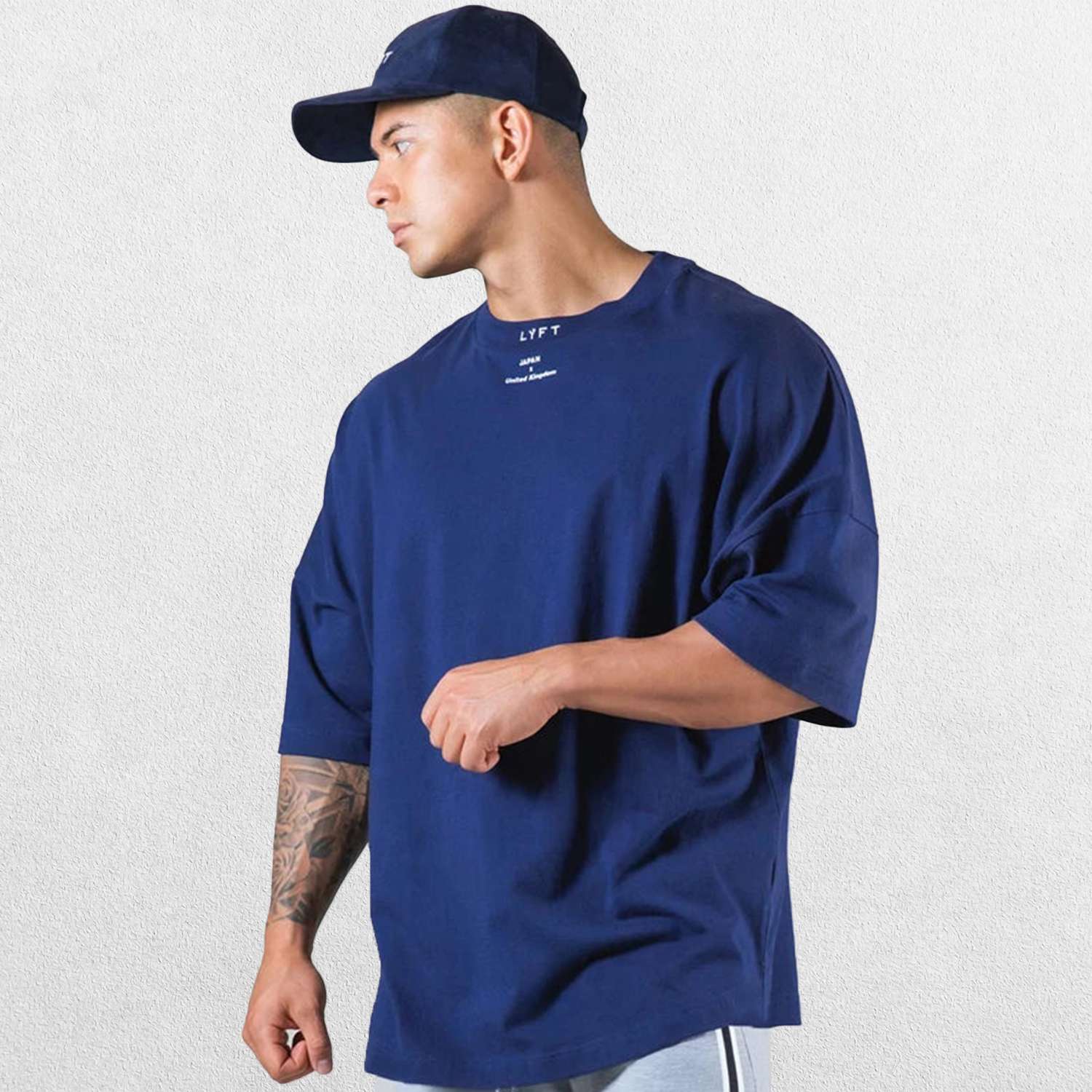
Compression shirts are most useful for upper body days: bench, overhead press, rows. They keep your torso stable and reduce shoulder vibration. Browse our compression shirt range.
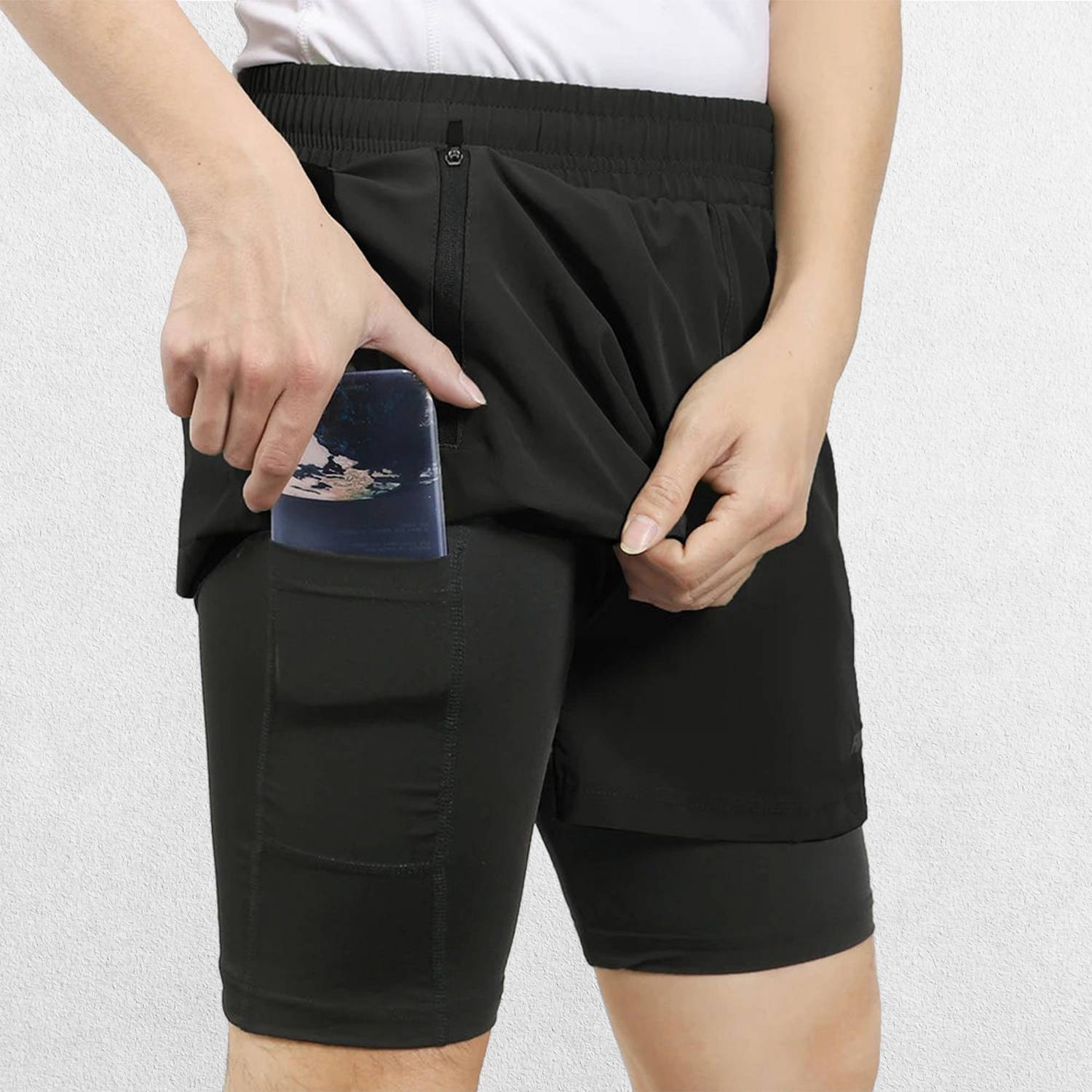
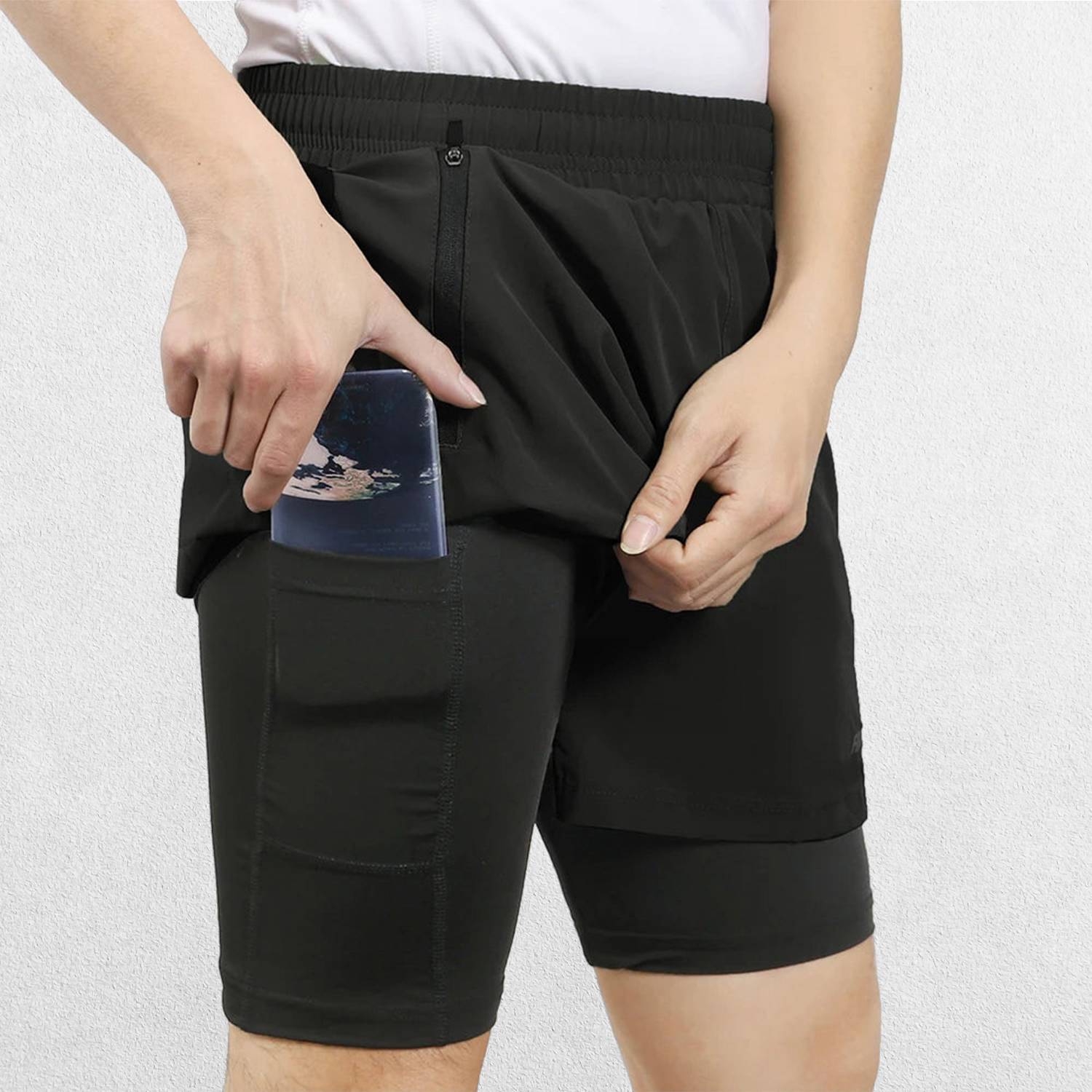
Compression leggings are the go-to for squat and deadlift days. They support your quads, hamstrings, and glutes while keeping your knees warm between heavy sets. Check our joggers and training pants for options.
For casual training, machine exercises, or light dumbbell work, you don't need compression. A regular gym tee and shorts will do the job fine. Save compression for your heavy days and compound lifts where it makes the biggest difference.
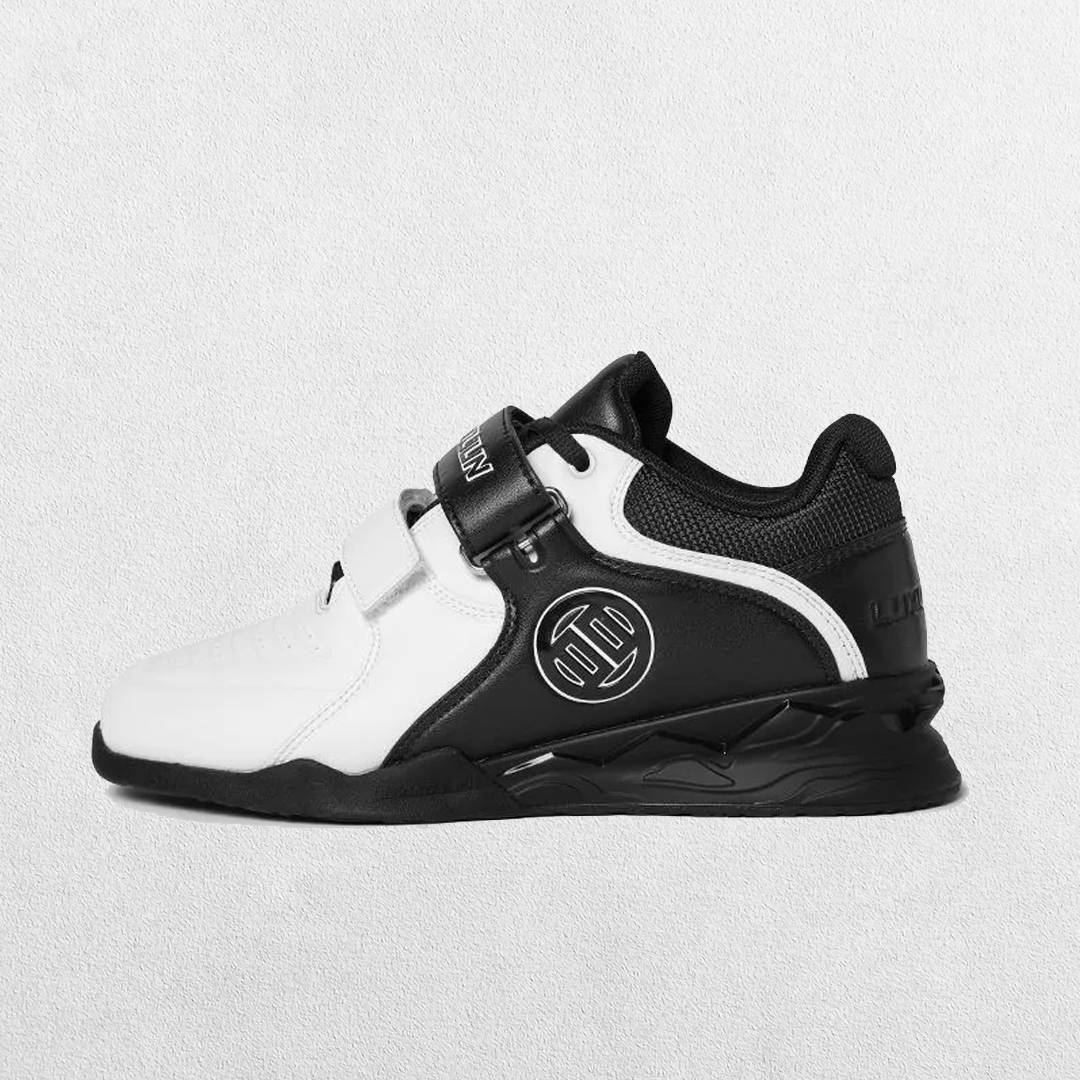
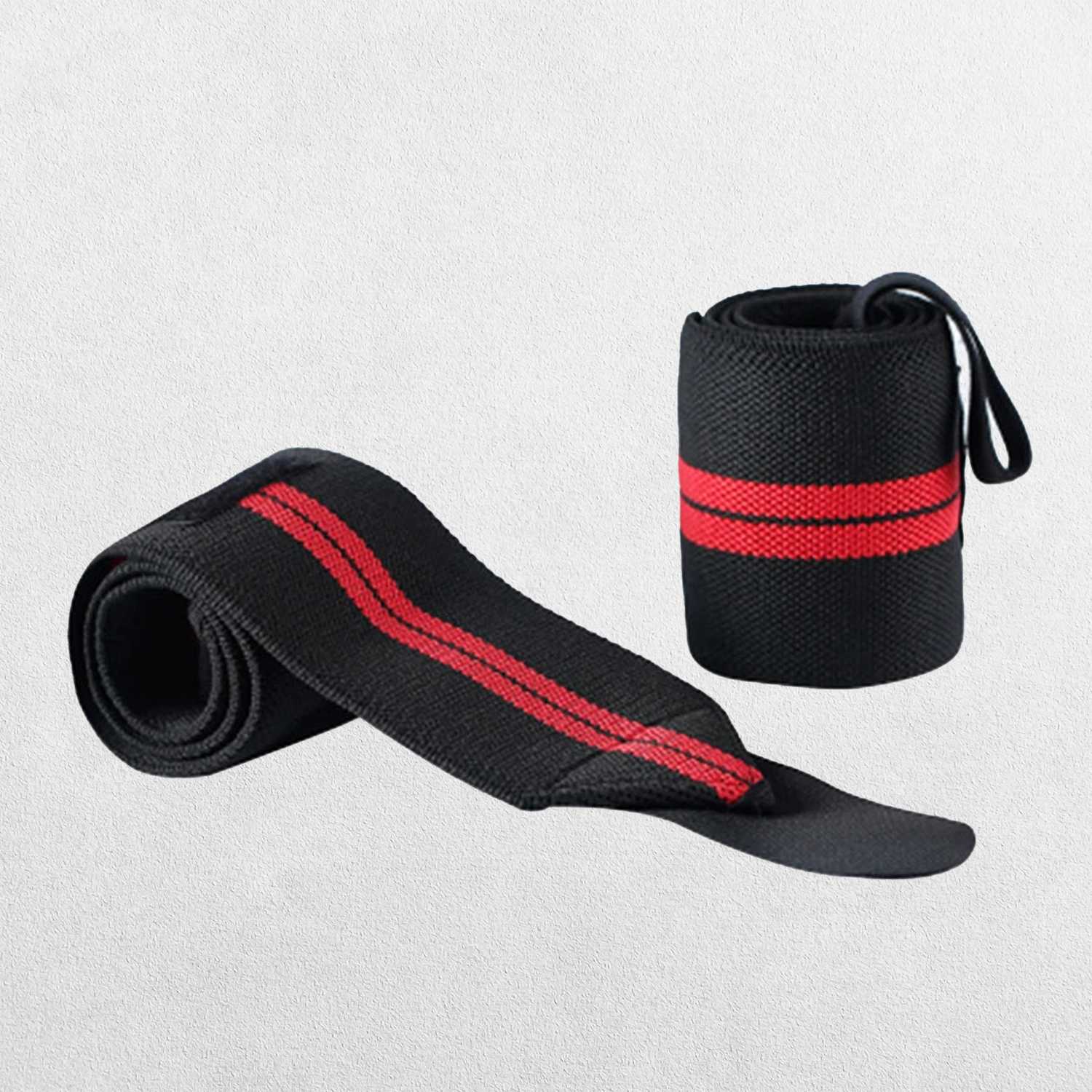
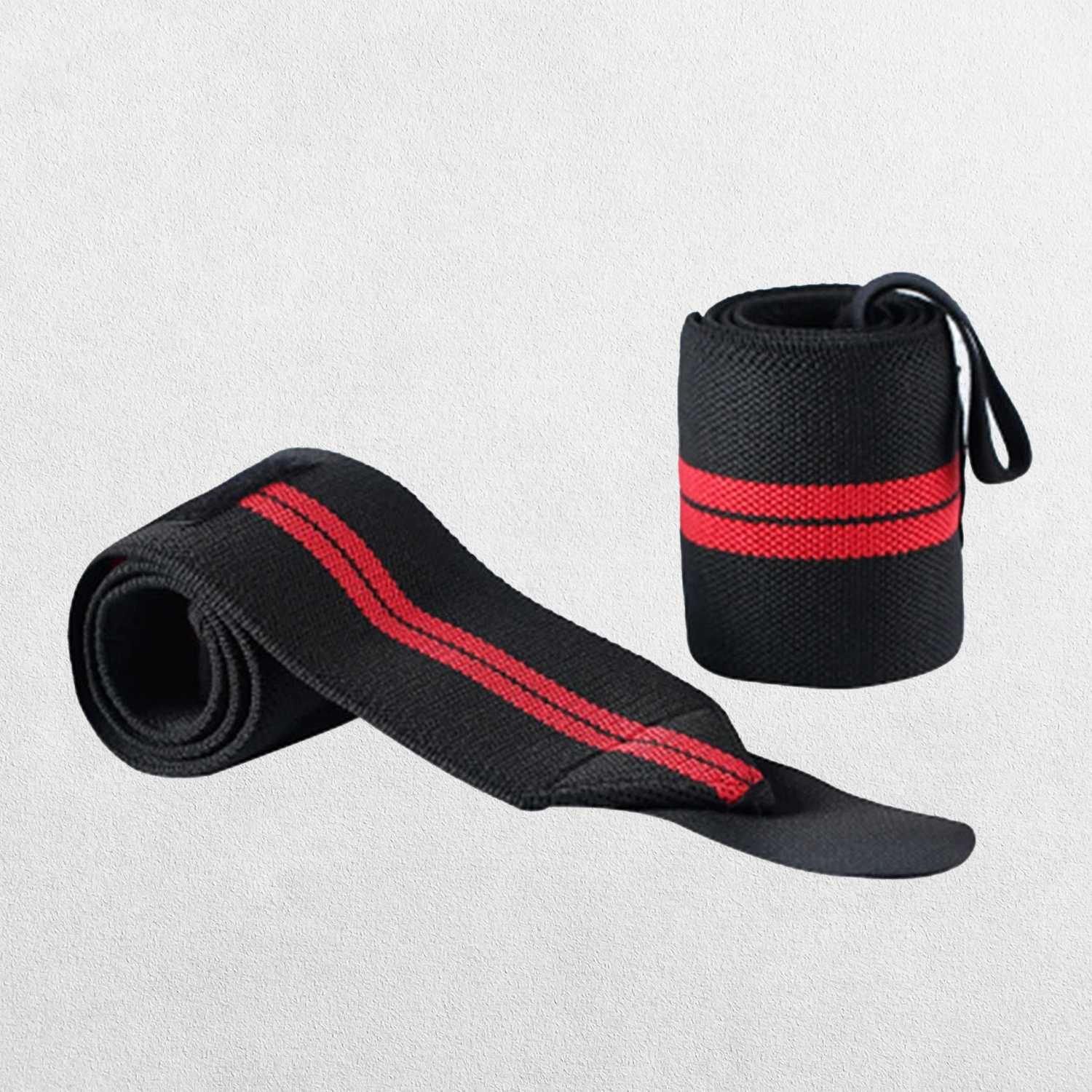
Also worth noting: compression gear supports performance during your workout, but it's not a substitute for proper warm-ups, stretching, or lifting accessories like wrist wraps and belts.
Shop our full compression range for shirts, tanks, and leggings built for serious lifting.